Communications Systems Built Through Execution
Client: scaleLIT
Partnership Type: Ongoing program communications support
Context
As scaleLIT’s communications needs grew, sustainability became just as important as execution. The organization needed ways to maintain clarity and consistency across programs without creating systems that were difficult to manage or disconnected from day-to-day work.
Rather than introducing new tools or processes in isolation, causeFX partnered with scaleLIT to build communications systems through real execution. The goal was to support continuity while respecting how teams actually operate.
Our Approach
causeFX embedded systems into active work.
Instead of starting with abstract frameworks or standalone training, we introduced templates, workflows, and planning rhythms directly within ongoing projects. Systems were developed and refined while programs were live, ensuring they reflected real needs and constraints.
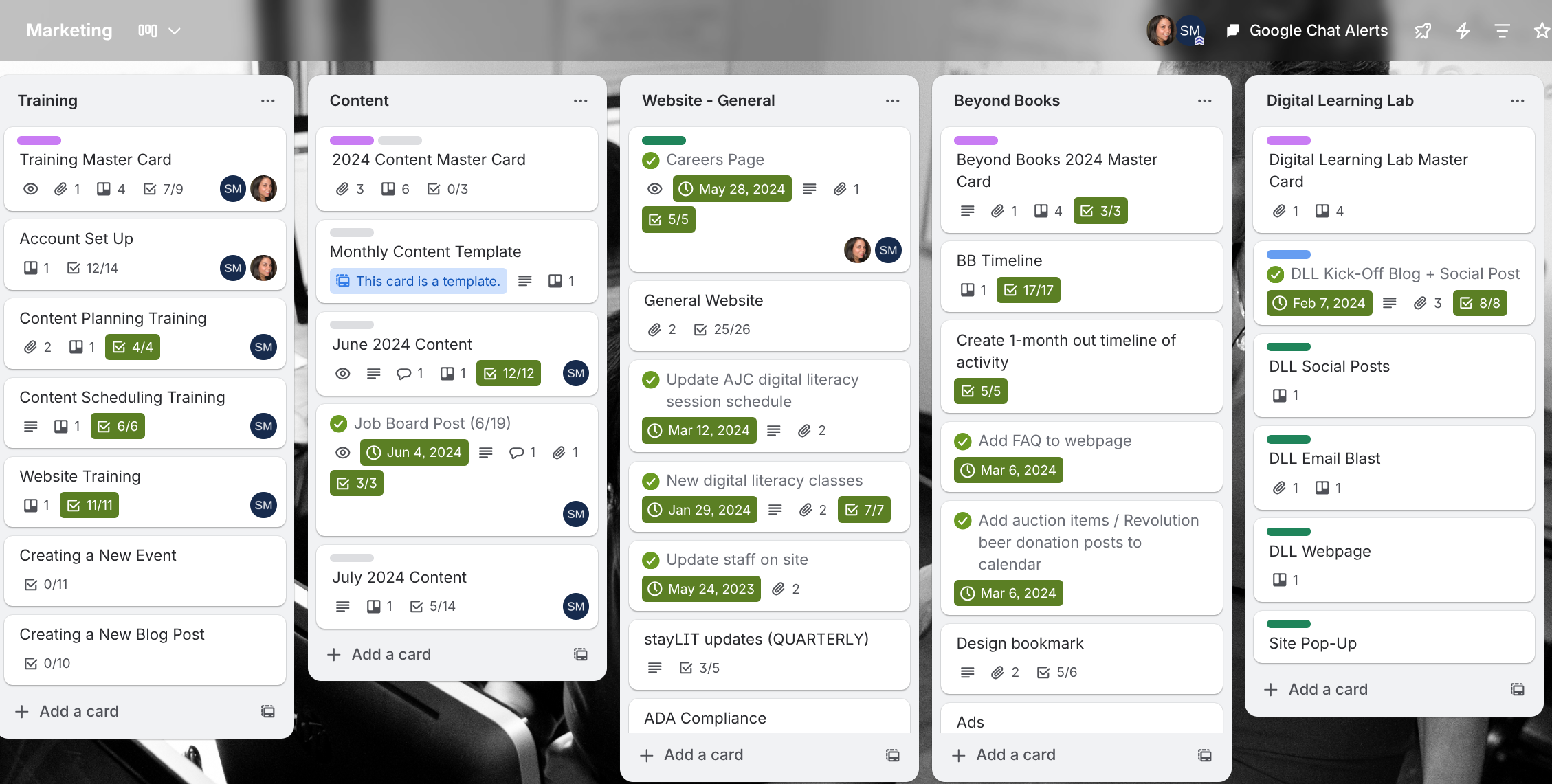
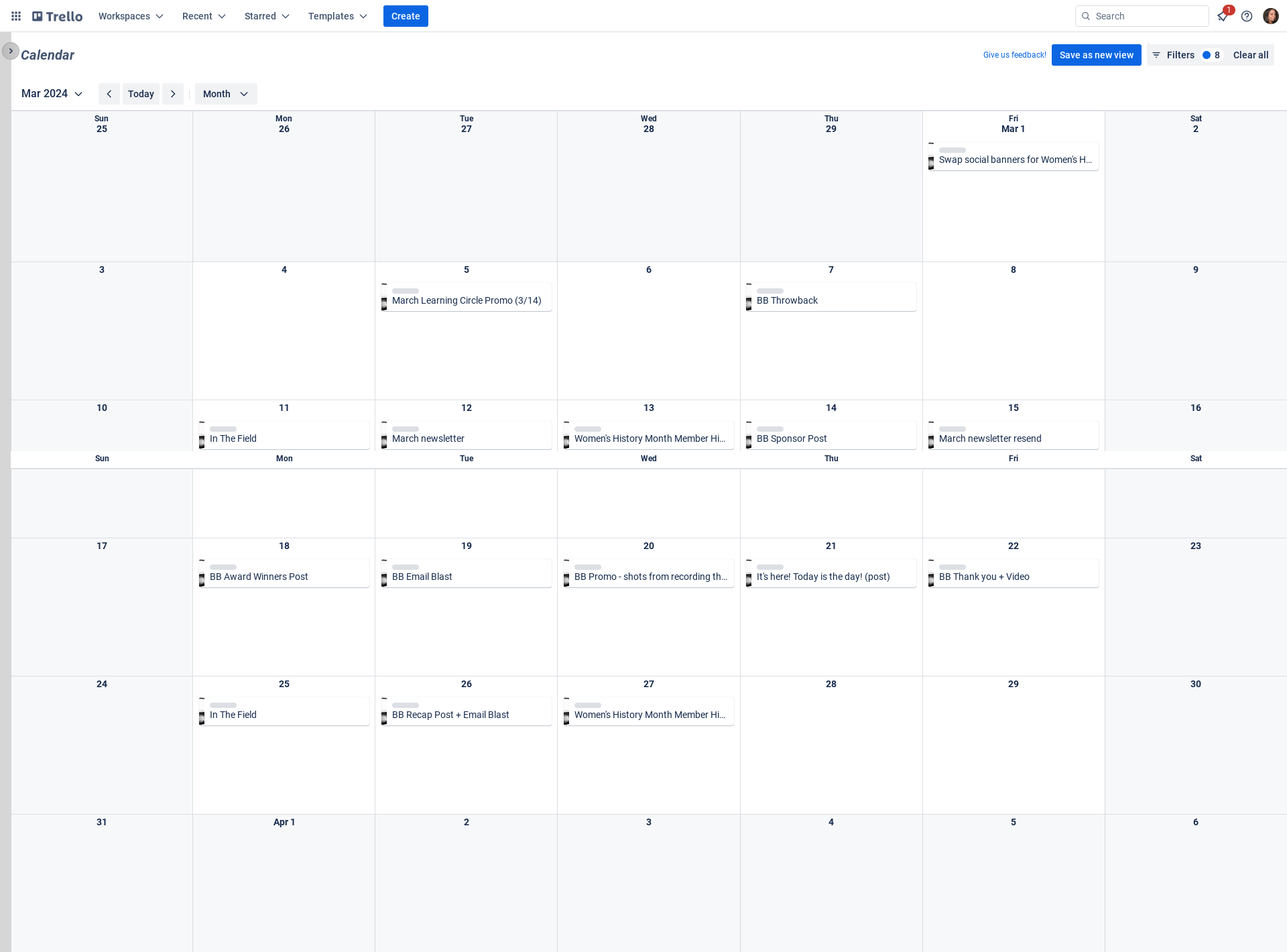
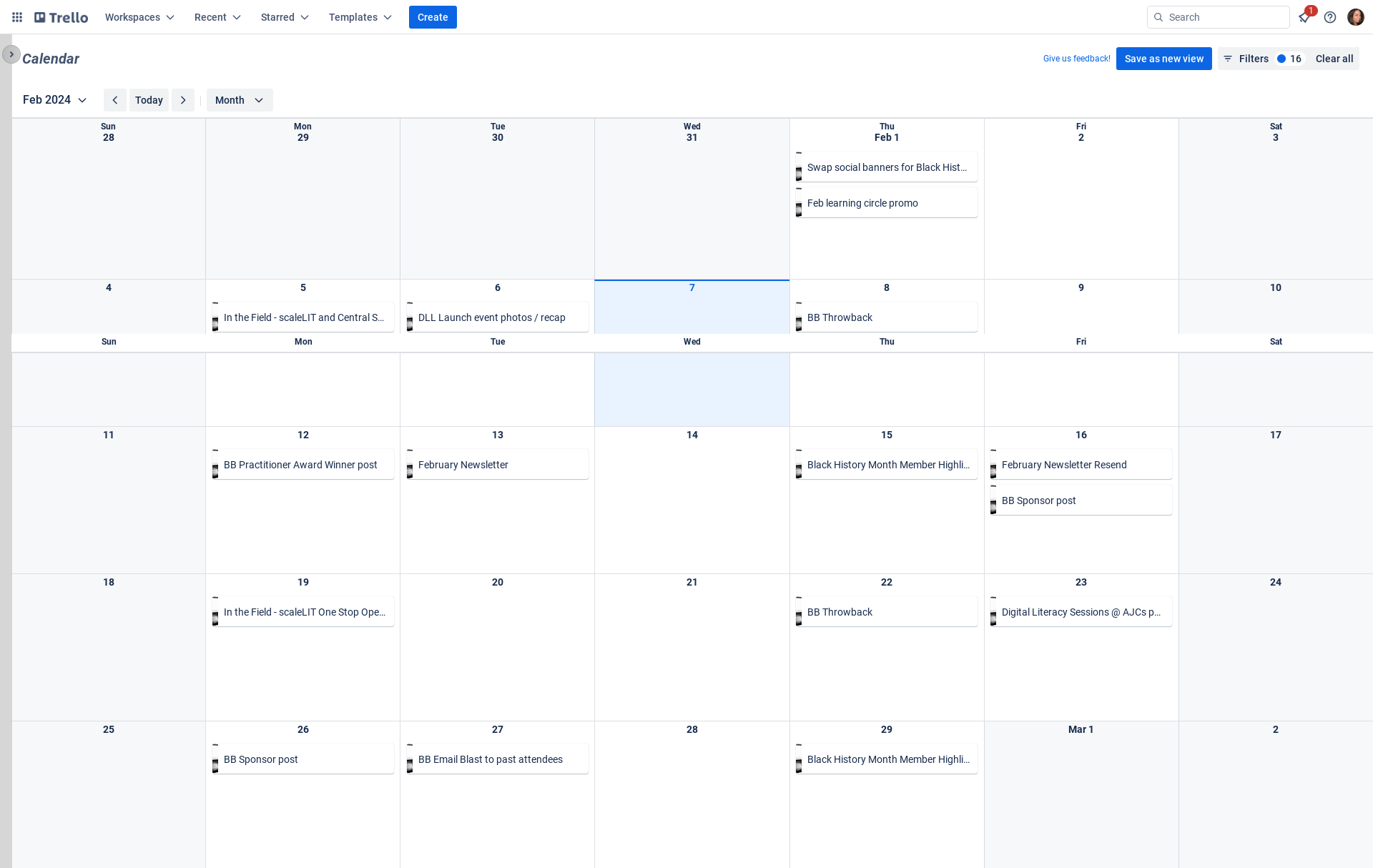
Weekly check-ins, shared calendars, collaborative planning tools, and repeatable content structures became the foundation for how communications work was managed. These systems were intentionally lightweight, designed to reduce friction rather than add it.
What This Looked Like in Practice
Systems emerged alongside execution.
causeFX supported:
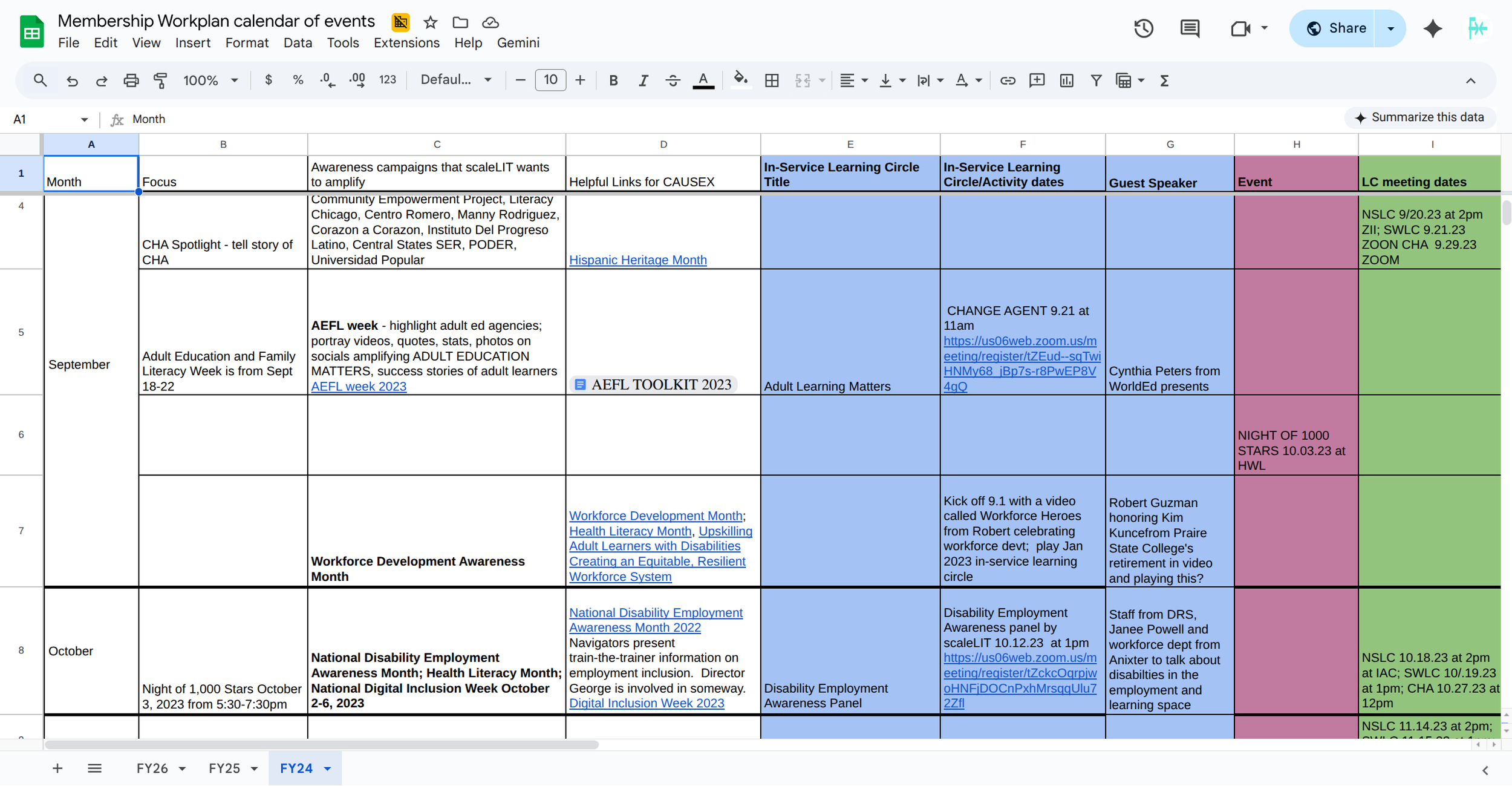
Shared planning tools that aligned communications with program timelines
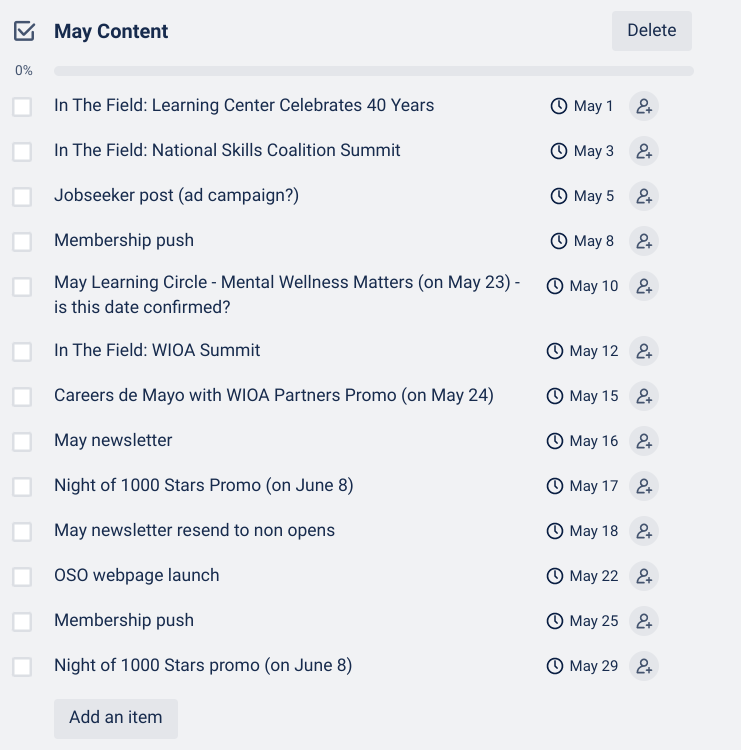
Repeatable templates for emails, events, newsletters, and web updates
Content calendars that reflected real program cadence
Documentation that supported continuity without rigidity
Training and capacity building happened through collaboration, not instruction.
Outcome
Communications systems supported consistency without slowing delivery.
scaleLIT was able to:
Maintain clarity across multiple initiatives
Reduce reliance on ad hoc coordination
Support smoother handoffs between staff
Sustain communications as programs evolved
Systems functioned as support structures rather than constraints.
Why This Matters
Many organizations struggle to sustain communications because systems are built separately from execution. This work demonstrates how capacity and infrastructure can be developed through partnership and real work, resulting in systems that teams actually use.
For scaleLIT, this meant communications could grow alongside programs without becoming brittle or burdensome.